Real Estate Development in Uganda: Investment Opportunities, Growth Trends, and Sustainable Solutions
Real estate development in Uganda is rapidly transforming into one of the most lucrative and strategic sectors in the country’s economy. Driven by urban expansion, population growth, infrastructure investment, and increasing demand for quality housing and commercial spaces, the industry presents unmatched opportunities for investors, developers, and businesses.
At the center of this transformation are forward-thinking companies like Stonerest Business Logistics, delivering integrated, sustainable, and high-value real estate development solutions across Uganda. Whether you are an investor, landowner, or business seeking expansion, understanding the dynamics of real estate development in Uganda is essential for making informed and profitable decisions.
This comprehensive guide explores the sector in depth, providing insight into opportunities, challenges, trends, and why strategic partnerships are critical for success.
What Is Real Estate Development in Uganda
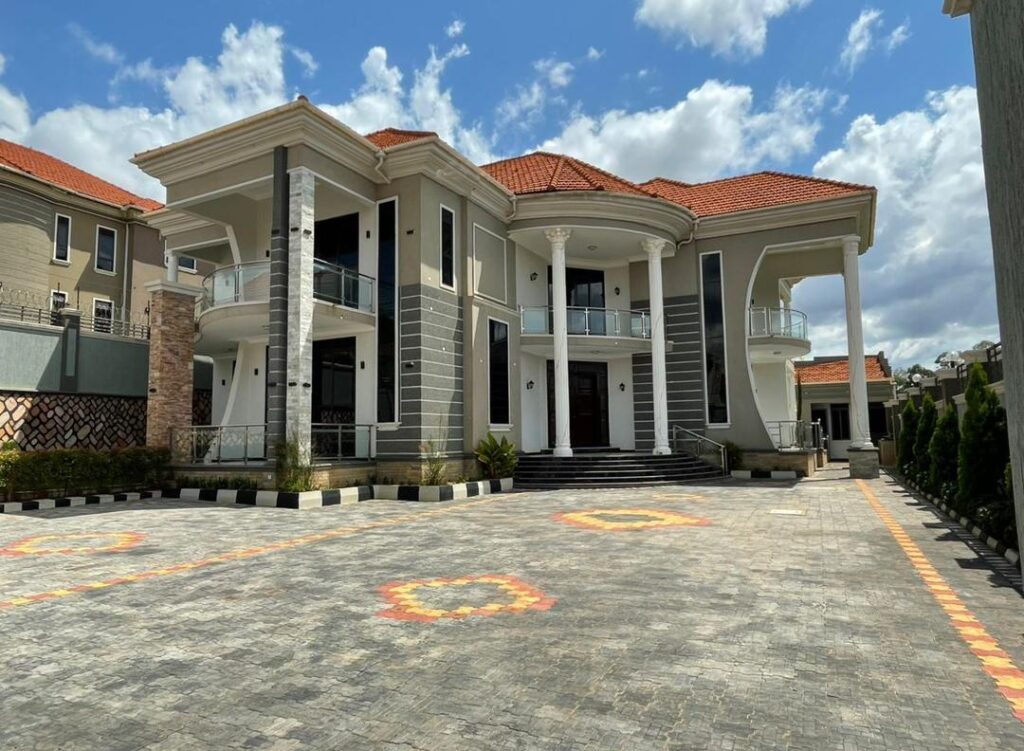
Real estate development involves the acquisition of land, planning, design, financing, construction, and management of property for residential, commercial, or industrial purposes. In Uganda, this process is influenced by economic growth, regulatory systems, land tenure structures, and market demand.
Unlike basic construction, modern real estate development focuses on creating functional, sustainable, and profitable environments that meet the needs of individuals, businesses, and communities.
With increasing demand for structured urban living and organized commercial spaces, real estate development in Uganda has shifted toward integrated solutions that combine planning, engineering, and long-term value creation.
Why Real Estate Development in Uganda Is Booming
Rapid Urbanization Driving Demand
Uganda is experiencing one of the fastest urban growth rates in Africa. Cities like Kampala, Wakiso, Mukono, and Entebbe are expanding rapidly as people migrate in search of better employment, education, and business opportunities.
This urban shift is creating an urgent demand for:
- Residential housing
- Office and commercial spaces
- Retail centers
- Industrial and logistics facilities
The need for structured, well-planned developments continues to grow, creating a strong foundation for long-term investment.
Housing Deficit Creating Massive Opportunity
Uganda faces a housing shortage of millions of units, particularly in urban and peri-urban areas. Every year, demand for new housing far exceeds supply.
This gap presents a powerful opportunity for developers to deliver:
- Affordable housing projects
- Mid-income residential estates
- Modern apartment complexes
- Gated communities
Developers who can provide cost-effective, high-quality housing solutions are positioned to capture a large and growing market.
Infrastructure Development Increasing Land Value
Major infrastructure investments are transforming Uganda’s real estate landscape. New roads, expressways, industrial parks, and utilities are opening up previously inaccessible areas for development.
Key benefits include:
- Increased land value
- Improved accessibility
- Attraction of commercial investment
- Expansion of urban boundaries
Strategic real estate development near infrastructure corridors can significantly increase return on investment.
Rising Middle Class and Investment Culture
As Uganda’s economy grows, more individuals and businesses are investing in property. Real estate is widely viewed as a secure and appreciating asset.
This has led to increased demand for:
- Residential homes
- Rental properties
- Commercial buildings
- Mixed-use developments
Additionally, diaspora investment continues to play a major role, with many Ugandans abroad choosing real estate as their preferred investment channel.
Types of Real Estate Development in Uganda
Residential Real Estate Development
Residential development remains the backbone of the sector. It includes:
- Standalone houses
- Apartments and condominiums
- Gated communities
- Affordable housing projects
Modern buyers are increasingly prioritizing security, infrastructure, and community living, making organized developments more attractive.
Commercial Real Estate Development
Commercial properties are essential for business growth and economic activity. This includes:
- Office buildings
- Shopping malls
- Retail centers
- Hospitality developments
With business activity expanding, demand for high-quality commercial spaces continues to rise, especially in urban centers.
Industrial and Logistics Development
Industrial real estate is one of the fastest-growing segments, driven by trade and manufacturing. This includes:
- Warehouses
- Distribution centers
- Industrial parks
- Logistics hubs
As Uganda strengthens its position as a regional trade hub, demand for industrial space is expected to grow significantly.
Mixed-Use Developments
Mixed-use developments combine residential, commercial, and recreational spaces in one location. These projects are becoming increasingly popular due to:
- Convenience
- Efficient land use
- Higher returns on investment
- Enhanced community living
Strategic Investment Opportunities
Affordable Housing Projects
The largest opportunity in Uganda’s real estate sector lies in affordable housing. Developers who can deliver scalable and cost-effective solutions will dominate this market.
Land Development and Subdivision
Land remains one of the most valuable assets in Uganda. Strategic land acquisition and development can generate significant returns.
Rental Property Investment
Rental income provides consistent cash flow, especially in urban areas with high population density. Well-located properties can achieve strong occupancy rates.
Commercial and Office Space
As businesses expand, demand for modern office spaces continues to grow. Investors can benefit from long-term leases and stable returns.
Emerging Growth Areas
Satellite towns and emerging urban centers offer lower entry costs and high growth potential. These areas are ideal for early-stage investment.
Challenges in Real Estate Development and How to Overcome Them
Complex Land Ownership Systems
Uganda’s land tenure system can be challenging. Developers must conduct proper due diligence and work with experienced professionals to avoid disputes.
Financing Constraints
Access to financing remains limited for many developers and buyers. Strategic partnerships and innovative financing models are essential for overcoming this challenge.
High Construction Costs
Rising material and labor costs can affect project profitability. Efficient planning, sourcing, and project management are critical.
Regulatory Processes
Delays in approvals and permits can slow down development. Working with experienced consultants helps streamline these processes.
The Role of Professional Developers
Successful real estate development requires expertise, planning, and execution. Professional developers provide:
- Market research and feasibility studies
- Land acquisition and legal support
- Architectural design and engineering
- Construction management
- Sales and marketing strategies
Partnering with an experienced developer like Stonerest Business Logistics ensures that projects are delivered efficiently, sustainably, and profitably.
Why Choose Stonerest Business Logistics
Stonerest Business Logistics offers a unique advantage by combining expertise across multiple sectors, including real estate, engineering, and business development.
Integrated Approach
Unlike traditional developers, Stonerest provides end-to-end solutions, ensuring seamless execution from concept to completion.
Market Knowledge
Deep understanding of Uganda’s real estate landscape allows for strategic decision-making and risk management.
Commitment to Quality
Every project is designed and executed with a focus on durability, functionality, and long-term value.
Sustainable Development
Stonerest emphasizes environmentally responsible practices and sustainable growth, aligning with modern development standards.
Client-Focused Solutions
Each project is tailored to meet the specific needs of investors, businesses, and communities.
Future Trends in Real Estate Development in Uganda
Expansion of Smart Cities
Technology integration will play a key role in future developments, including smart infrastructure and digital property management.
Growth of Green Buildings
Sustainability will become a major focus, with increased use of eco-friendly materials and energy-efficient designs.
Increased Foreign Investment
Uganda’s strategic location and growing economy will continue to attract international investors.
Development of Secondary Cities
Cities outside Kampala will experience increased development as urban expansion continues.
Conclusion: Unlocking Opportunities in Uganda’s Real Estate Sector
Real estate development in Uganda is more than an industry. It is a gateway to economic growth, investment success, and community transformation. With increasing demand, expanding infrastructure, and a growing population, the sector offers unparalleled opportunities.
However, success requires more than capital. It requires strategy, expertise, and the right partner.
Stonerest Business Logistics stands at the forefront of this transformation, delivering innovative, sustainable, and high-impact real estate solutions. Whether you are looking to invest, develop, or expand, partnering with the right team can make all the difference.
Contact Us Today
If you are ready to explore real estate development opportunities in Uganda, now is the time to act.
Partner with Stonerest Business Logistics to turn your vision into reality through professional, reliable, and results-driven development solutions.